Alentejo's Quiet Luxury: Vineyard Stays & Historic Estates
The scent of sun-warmed earth and wild rosemary hits first, carried on a breeze that whispers through ancient cork oaks. Then comes the silence, profound and vast, broken only by the distant bleating of sheep or the soft rustle of olive leaves. This is Alentejo, Portugal's beating heart, a region I've come to know intimately, not just as a neighbor from Lisbon, but as a relentless seeker of genuine luxury that doesn't demand a king's ransom. Forget the gilded cages and crowded shores; here, the true currency is space, authenticity, and an unhurried rhythm that invites deep relaxation. For those who understand that true indulgence lies in the details, in the quietude, and in experiences that feel deeply personal, Alentejo is a revelation.
Alentejo: Where Space is the Ultimate Amenity
Stepping into Alentejo feels like turning back a page in time, yet with all the comforts of sophisticated modernity discreetly woven into the fabric. The region, sprawling across southern Portugal, is defined by its seemingly endless plains, punctuated by rolling vineyards, ancient olive groves, and the distinctive silhouettes of cork oak trees. Unlike the more celebrated, and often significantly pricier, luxury enclaves of Tuscany or Provence, Alentejo offers a similar, if not more profound, sense of pastoral grandeur at a fraction of the cost. The air here tastes clean, carrying hints of herbs and distant woodsmoke, a stark contrast to the often-dense atmosphere of popular coastal resorts. It’s this profound sense of openness, the feeling of having boundless horizons to yourself, that first captured my imagination and convinced me this was a place for Velvet Trails.I remember an assignment for *Condé Nast Traveler* years ago, scouting for "emerging luxury" destinations. My editor, a formidable woman named Clara, had sent me with a vague brief: "Find us something *real* in Portugal, not just more Algarve villas." That trip led me deep into the Alentejo, where I found myself standing on a hilltop *herdade* (farm estate), watching the sun bleed crimson across a sky so expansive it felt like the edge of the world. The only sound was the wind, and the faint clinking of cutlery from a nearby terrace where a private chef was preparing dinner. It was then I realized: this wasn't just beautiful; it was *undervalued*. The rustic elegance, the genuine warmth of the people, the deep connection to the land—it all conspired to create an experience far richer than any five-star hotel in a city could offer, yet at a price point that made me double-take. The region's commitment to slow living and sustainable practices only adds to its quiet allure, manifesting in everything from the architecture that blends seamlessly with the landscape to the farm-to-table culinary philosophy that defines its gastronomy. This is luxury defined by experience, not just price tags.
Vineyard Resorts: Sips of Sophistication and Serenity
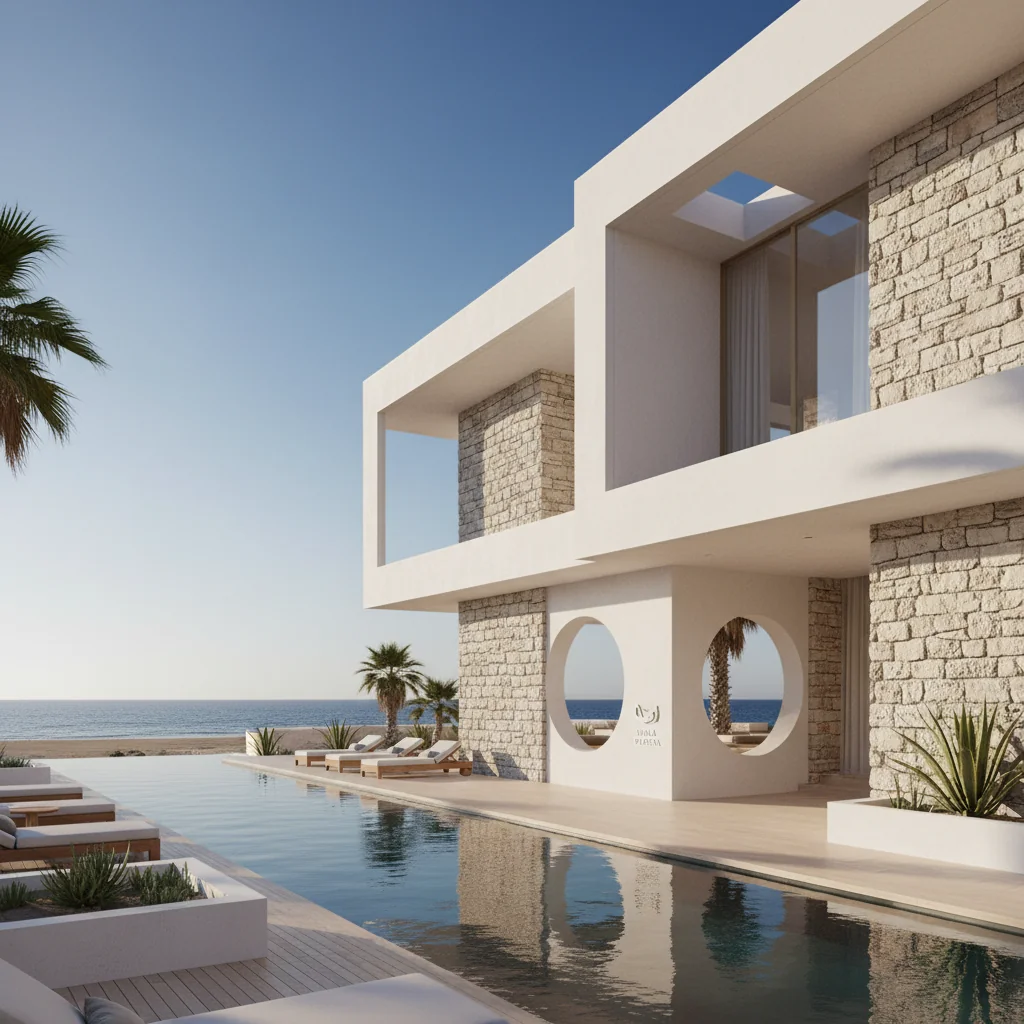
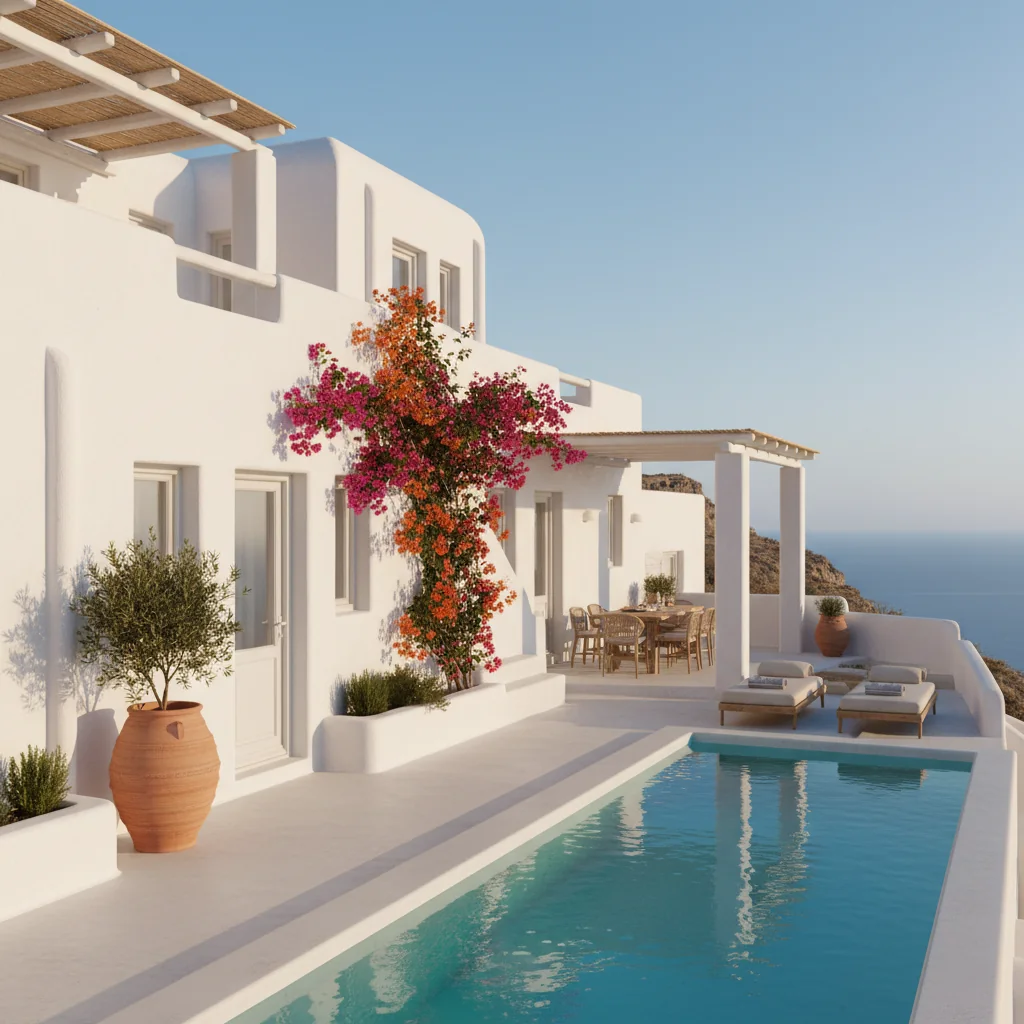
The Alentejo is, first and foremost, wine country, and its vineyard resorts are perhaps the most compelling argument for its "billionaire beauty for a budget" ethos. These aren't just hotels with a vineyard view; they are integrated experiences where the rhythm of winemaking dictates the pace of your stay. Imagine waking up to the soft morning light filtering through your window, revealing rows of grapevines shimmering with dew. The air is cool, fresh, carrying the faint, earthy scent of the vineyard itself. You might start your day with a guided walk through the vines, learning about the region's indigenous grape varieties like Antão Vaz or Aragonez, before returning for a breakfast featuring local cheeses, artisan bread, and fruit picked just hours before.Many of these estates boast contemporary design that nonetheless respects traditional Alentejan aesthetics: whitewashed walls, terracotta floors, natural wood, and vast windows that frame the landscape as living art. Think minimalist elegance that prioritizes comfort and connection to nature. Often, these resorts offer private plunge pools or larger infinity pools that seem to spill directly into the vineyards, creating a sense of boundless tranquility. Wine tastings, naturally, are a centerpiece, offering a journey through the region's robust reds and crisp whites. Beyond the glass, many resorts have their own farm-to-table restaurants, often housed in beautifully restored buildings, where the ingredients are sourced from the estate or neighboring farms. A dinner here isn't just a meal; it’s an ode to the land, paired expertly with the very wines produced outside your window. The service is often personal, attentive without being intrusive, delivered by staff who seem genuinely proud of their heritage and eager to share it.
Historic Estates: Timeless Grandeur, Unbeatable Value
Beyond the vineyards, Alentejo is studded with historic estates and restored manor houses that offer an entirely different, yet equally compelling, flavor of luxury. These *herdades* and *monte* properties are often centuries old, built by aristocratic families or wealthy landowners, and have been meticulously preserved or thoughtfully modernized to retain their original charm while offering every contemporary comfort. Picture thick stone walls, cool terracotta tiles underfoot, and vast living spaces adorned with antique furniture, tapestries, and family heirlooms that tell stories of generations past. The scent of polished wood and aged stone often fills the air, a silent testament to the history held within their walls.What truly sets these historic estates apart, for the value-seeker like myself, is the sheer scale and authenticity of the experience they offer at prices that would simply be unimaginable in comparable properties across Italy or France. You might find yourself ensconced in a private villa with its own olive grove, infinity pool, and a dedicated staff, for less than a standard suite in a high-end hotel in Santorini. I've seen sprawling properties with dozens of acres of private land, where you can roam freely, ride horses, or simply find a secluded spot under an ancient fig tree to read. The grandeur isn't ostentatious; it’s an ingrained, unpretentious elegance that feels deeply rooted. Many of these estates remain family-run, meaning the hospitality often comes with a personal touch, a genuine warmth that makes you feel less like a guest and more like a cherished visitor. They often host cooking classes focused on traditional Alentejan cuisine, or offer guided tours of their agricultural operations, connecting you directly to the source of the region's renowned produce. It’s a chance to live, however briefly, a life of aristocratic ease, without the accompanying price tag.
Experiencing Alentejo: Beyond the Estate Gates
While the estates themselves offer a world of indulgence, the Alentejo region beckons exploration. Renting a car is essential, allowing you to traverse the rolling landscape at your own pace, discovering whitewashed villages perched atop hills, like Monsaraz or Marvão, their medieval castles standing sentinel against the vast sky. The light here is extraordinary, painters' light, shifting from the soft gold of dawn to the fiery hues of sunset, illuminating ancient dolmens and Roman ruins scattered across the plains. A true luxury in Alentejo is the opportunity for unhurried immersion. Imagine a long, languid lunch in a sun-dappled courtyard in Évora, a UNESCO World Heritage site, savoring *porco preto* (Iberian black pork) and a glass of robust regional red.For the adventurous, a hot air balloon ride at dawn offers an unparalleled perspective of the undulating vineyards and olive groves, a truly breathtaking experience that feels utterly exclusive. And as night falls, the Alqueva Dark Sky Reserve, one of the first certified Starlight Tourism Destinations in the world, offers stargazing opportunities that are simply astounding. The sheer absence of light pollution reveals constellations in dizzying clarity, a spectacle that reminds you of the immense beauty of our universe. It’s a luxury that costs nothing but provides infinite wonder. For those seeking similarly off-the-beaten-path destinations that deliver designer comfort for a steal, consider Tunisia's Djerba Island: Designer Villas & Thalassotherapy Resorts for Less Than Greece, or perhaps delve into the rich history of Eastern Europe with Romania's Transylvania: Medieval Castles & Private Manors Offering Royal Stays. Alentejo, much like these other gems, proves that the most profound travel experiences often lie just beyond the well-trodden path.
Your Verdict: Alentejo, A Masterclass in Understated Opulence
My time spent traversing Alentejo, from its sun-drenched vineyards to its stoic historic estates, has unequivocally solidified its place as a premier destination for the luxury-seeker who values genuine experience over inflated prestige. This region doesn't shout its opulence; it breathes it, offering an immersive journey into a slower, more authentic way of life. The combination of world-class wines, sophisticated farm-to-table gastronomy, breathtaking natural beauty, and a profound sense of peace delivers a luxury experience that often surpasses those in more globally recognized, and significantly more expensive, destinations. It's a testament to the power of thoughtful design, genuine hospitality, and an unwavering connection to the land. For those willing to venture just a short distance from Lisbon, Alentejo presents an opportunity to live like a local aristocrat, savoring exquisite moments without ever feeling like you've overpaid. It's a rare and precious find, a true Velvet Trail.SCORE: 9.3/10
Key Facts
| Primary Industry | Wine Production (DOC Alentejo) |
| Average Vineyard Stay Cost (per night) | €200 - €450 (for luxury options) |
| Dark Sky Reserve | Alqueva Dark Sky Reserve (first in world) |
| UNESCO World Heritage Sites | Évora Historic Centre, Elvas Garrison Town |
| Key Agricultural Products | Wine, Olive Oil, Cork, Iberian Black Pork |
| Recommended Stay Length | 4-7 nights for full immersion |
| Closest Major Airport | Lisbon Portela Airport (LIS) |
| Best Time to Visit | Spring (April-May) or Autumn (Sept-Oct) |