Transylvania's Secret Royalty: Castle Stays for Savvy Travelers
Forget the fog-laden clichés and the Hollywood-spun tales of brooding counts. My first real encounter with Transylvania wasn't a jump scare, but a revelation. It was the scent of damp earth and ancient stone, the echo of forgotten empires, and then, the astonishing discovery that this land of lore was also a treasure trove of aristocratic splendor, waiting to be claimed by those with a keen eye for value. For years, I chased the five-star glitz of predictable destinations. Then, I found Transylvania, a place where genuine luxury, history, and unparalleled serenity converge, often for a mere fraction of the cost you'd expect. This isn't just a destination; it’s an experience, a whisper of old-world charm that beckons the discerning traveler.
Beyond the Carpathian peaks, where the mist still clings to ancient forests and time seems to slow, lies a Transylvania far removed from tourist brochures. This is the realm of the authentic, where the very fabric of history is woven into daily life, and opulence is less about flashy newness and more about inherited grandeur. I’m talking about a collection of forgotten castles, meticulously restored manor houses, and sprawling private estates that offer something truly rare: the chance to live like nobility, if only for a few days, without having to sell off your crown jewels.
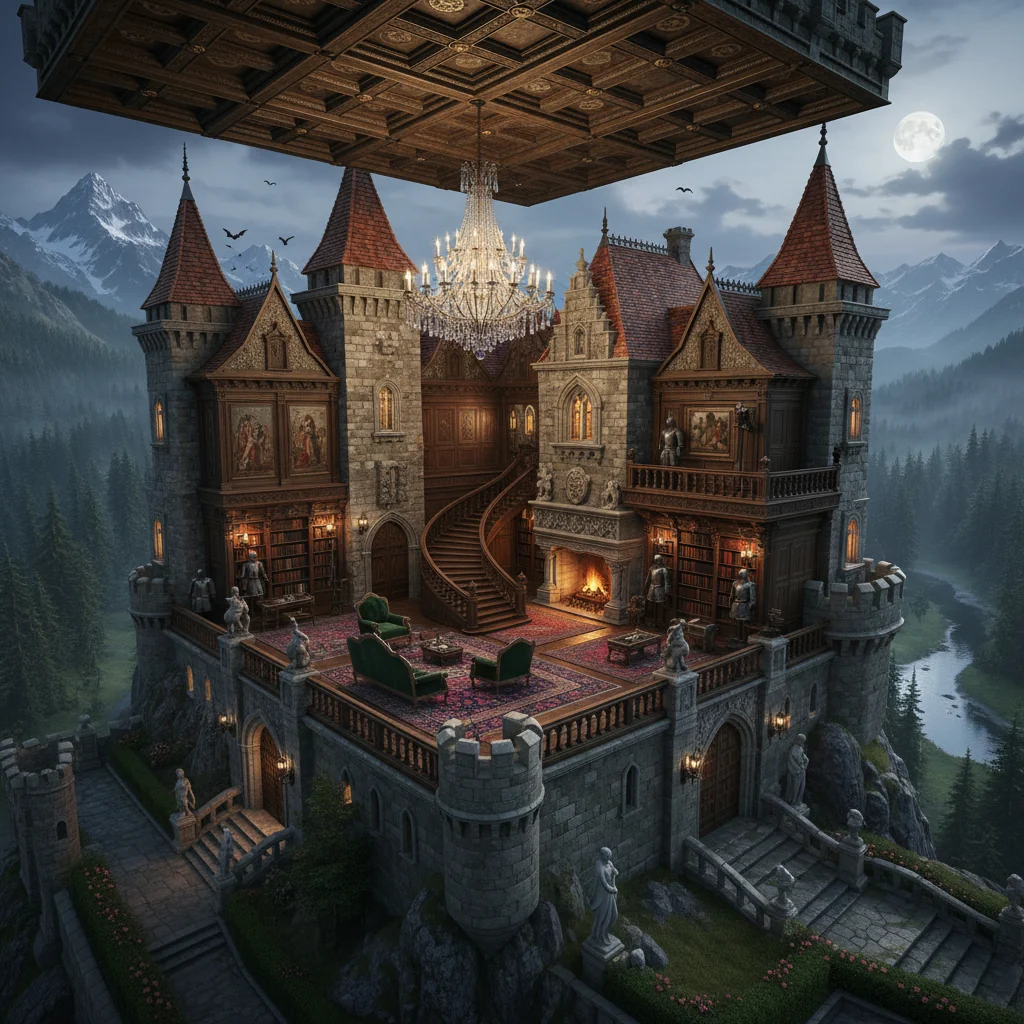
What makes this region such an anomaly in the luxury travel sphere? It's a confluence of factors. Centuries of complex history, with Saxon, Hungarian, and Romanian influences, have left behind an architectural legacy that is both diverse and breathtaking. Many of these properties, once crumbling aristocratic homes, have been lovingly brought back to life by passionate owners who understand the intrinsic value of preserving history. They've poured their hearts, not just their fortunes, into creating sanctuaries that honor the past while providing every modern comfort. Think hand-carved furniture, ancestral portraits gazing down from high walls, crackling fireplaces in vast drawing rooms, and gardens where the only sound is the rustle of leaves or a distant church bell. This isn't manufactured luxury; it’s luxury that has grown organically from the soil itself. And critically, because Transylvania still operates largely outside the mainstream luxury circuit, the price point for these extraordinary stays remains remarkably accessible. You could easily spend twice as much on a standard room in a crowded European capital than you would for an entire wing of a historic manor here. It's the kind of discovery that makes my heart sing, a genuine testament to the "billionaire experience for a budget" ethos I champion at Velvet Trails. For those who appreciate the quiet elegance of places like Croatia's Istrian Peninsula, with its truffle hunting and vineyard estates, Transylvania offers a similar, yet distinctly Eastern European, flavor of understated, rich beauty.
To truly grasp the allure, you must envision the details. Picture a morning in a restored manor near Sibiu, the air crisp and clean. You wake in a four-poster bed, the silk sheets cool against your skin, sunlight streaming through tall, arched windows that overlook a meadow dotted with wildflowers. The scent of fresh coffee and pastries wafts up from the breakfast room. Downstairs, a fire crackles softly in a stone hearth, warming a room filled with antique books and maps. This isn't merely a hotel room; it’s a living museum, a tactile connection to centuries past.
I remember one particular assignment for a travel publication, back when I was still at *Condé Nast Traveler*. We were reporting on emerging luxury in Eastern Europe. While my colleagues were focused on the sleek new hotels of Budapest and Warsaw, I took a detour, almost on a whim, to a place called Apafi Manor in Mălâncrav. The narrow, winding road felt like a passage back in time, culminating in a small, perfectly preserved Saxon village. The manor itself, a 17th-century Hungarian nobleman's residence, was an exercise in understated elegance. The thick stone walls breathed history. The floors creaked softly underfoot, each sound a whisper from generations past. I recall the texture of the rough linen sheets, the taste of homemade plum jam at breakfast, and the profound silence of the evenings, broken only by the chirping of crickets outside my window. There was no opulent gilding, no flashy technology; just authentic comfort and a sense of profound peace. It felt like stepping into a storybook, yet the nightly rate was less than what I'd typically spend on a decent meal in Paris. This is the essence of Transylvanian luxury: authentic, atmospheric, and deeply satisfying. These properties are often family-run or managed by local foundations, ensuring that your stay directly supports the communities and the preservation of this unique heritage.
The experience of Transylvania extends far beyond the impressive walls of your temporary royal residence. This is a region that begs for exploration, where every winding lane and dense forest holds a secret. Imagine stepping out of your private manor and straight into a landscape of rolling hills, ancient oak trees, and villages where horse-drawn carts are still a common sight. The air carries the earthy scent of pine and damp soil, occasionally punctuated by the sweet aroma of woodsmoke from a distant cottage.
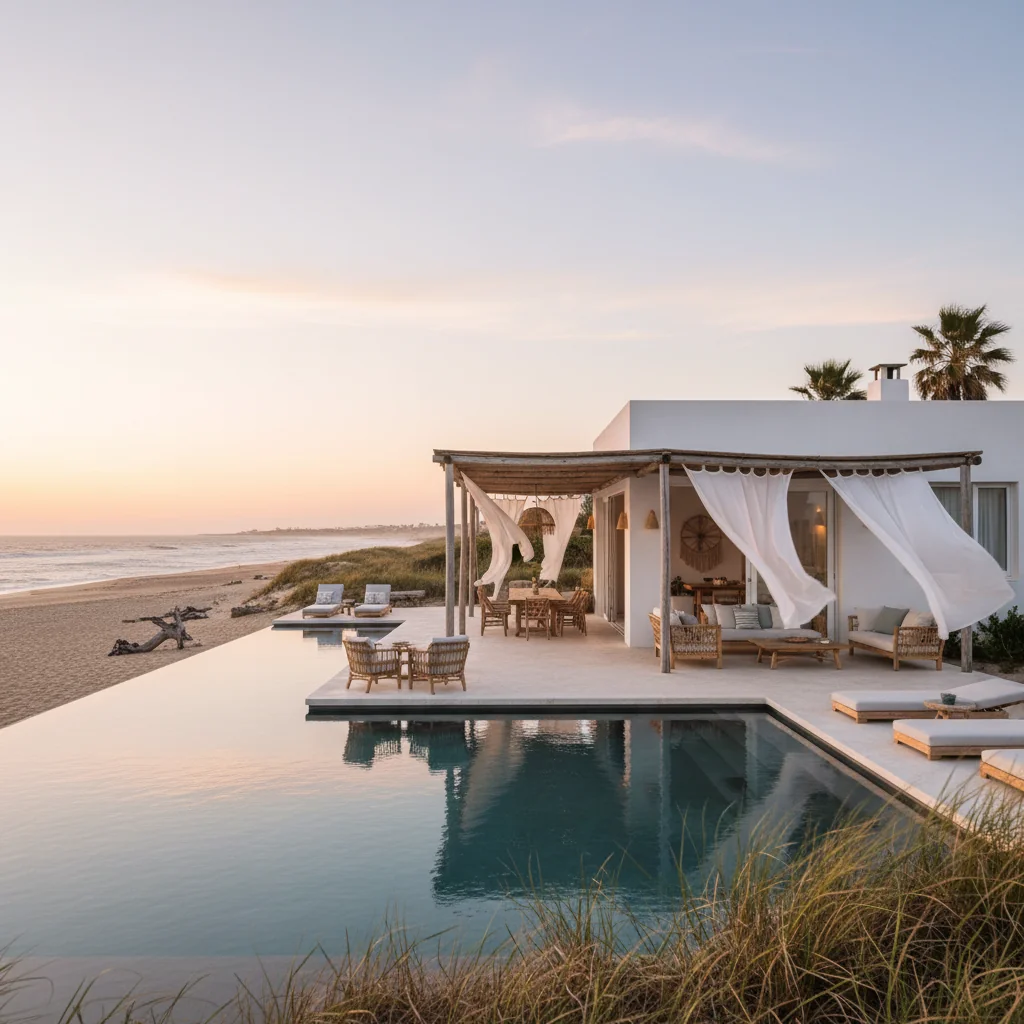
Days here can be filled with a myriad of pursuits that feel both enriching and deeply luxurious. Discover the UNESCO-listed Saxon fortified churches, architectural marvels that speak volumes of a resilient past. Embark on a gentle hike through the Carpathian foothills, perhaps spotting brown bears from a safe distance with an experienced local guide, or simply enjoying the profound quiet of nature. The culinary scene, while not always Michelin-starred, is rooted in fresh, local ingredients and hearty traditions. Many manors offer farm-to-table dining, serving up stews simmered for hours, fresh cheeses from local shepherds, and fine Romanian wines, often at prices that would make a sommelier in Western Europe weep with envy. You can spend an afternoon learning traditional crafts from local artisans, perhaps weaving a rug or painting an icon, a deeply immersive experience that connects you to the soul of the place. It's a luxury not of excess, but of authenticity and connection. It reminds me of the unique, bohemian charm of places like Uruguay's Jose Ignacio, where beachfront villas offer a South American St Tropez vibe – a destination that also perfectly marries high comfort with a distinctly local, unpretentious elegance. In Transylvania, the true indulgence lies in this blend of historical immersion, pristine nature, and genuine, warm hospitality.
For the savvy traveler determined to crack the code of accessible opulence, securing one of these Transylvanian treasures requires a bit of insider knowledge. Firstly, forget the major booking platforms for the most exclusive finds. Many of the truly special private manors and restored castles operate on a smaller scale, often found through specialized agencies focused on cultural heritage travel, or even via direct contact with their foundations. Websites like 'Historic Hotels of Europe' can be a good starting point, but don't hesitate to dig deeper, exploring local tourism boards or specific regional heritage trusts.
Timing is everything. While Transylvania is beautiful year-round, the shoulder seasons (late spring and early autumn) often yield the best value. The weather is pleasant, the landscapes are vibrant with either new growth or autumnal hues, and the crowds are thinner, ensuring a more intimate experience. Flights into major hubs like Bucharest (OTP) or Cluj-Napoca (CLJ) are increasingly frequent and affordable from Western Europe. From there, a rented car is almost essential for true exploration, allowing you the freedom to navigate the scenic country roads at your own pace, stopping wherever a medieval tower or a charming village catches your eye. Don’t expect gleaming highways; part of the charm is the slower pace of travel. When booking, always inquire about all-inclusive packages or longer-stay discounts, especially at the smaller properties. Some manors offer dinner, local excursions, and even cooking classes as part of a bundle, providing exceptional value. Be prepared for a slower pace of service than you might find in a bustling five-star city hotel; here, it’s about thoughtful attention to detail rather than hurried efficiency. This slight shift in expectation will allow you to fully savor the unhurried, genuine luxury that Transylvania so generously offers.
Transylvania, for the discerning traveler, is not merely a destination; it’s a revelation. It shatters the myth that genuine aristocratic luxury is reserved for those with bottomless pockets. Instead, it offers a tangible, visceral connection to history and an unparalleled sense of serene opulence, all wrapped in a package that feels almost too good to be true. From the thick stone walls of ancient castles to the refined comfort of meticulously restored manors, this region delivers an experience that is authentic, enriching, and profoundly memorable. It is a testament to the power of overlooked gems, proving that true value lies not in the price tag, but in the depth of the experience. For those who seek the extraordinary without the exorbitant, Transylvania stands as a shining beacon. SCORE: 9.3/10
Key Facts
| Average Nightly Rate (Luxury Manor) | €120-€250 (off-peak) |
| Best Time to Visit | Late Spring (May-June) or Early Autumn (Sept-Oct) |
| Closest Major Airport (for access to central Transylvania) | Cluj-Napoca International (CLJ) |
| Typical Travel Time from Lisbon (Flight + Drive) | Approx. 5-7 hours |
| Key Luxury Experience | Staying in historically restored castles or private manors |
| Local Currency | Romanian Leu (RON) |
| Primary Language Spoken | Romanian (English widely understood in tourist areas) |
| Unique Culinary Delights | Local cheeses, hearty stews (ciorbă), traditional pastries (papanași) |