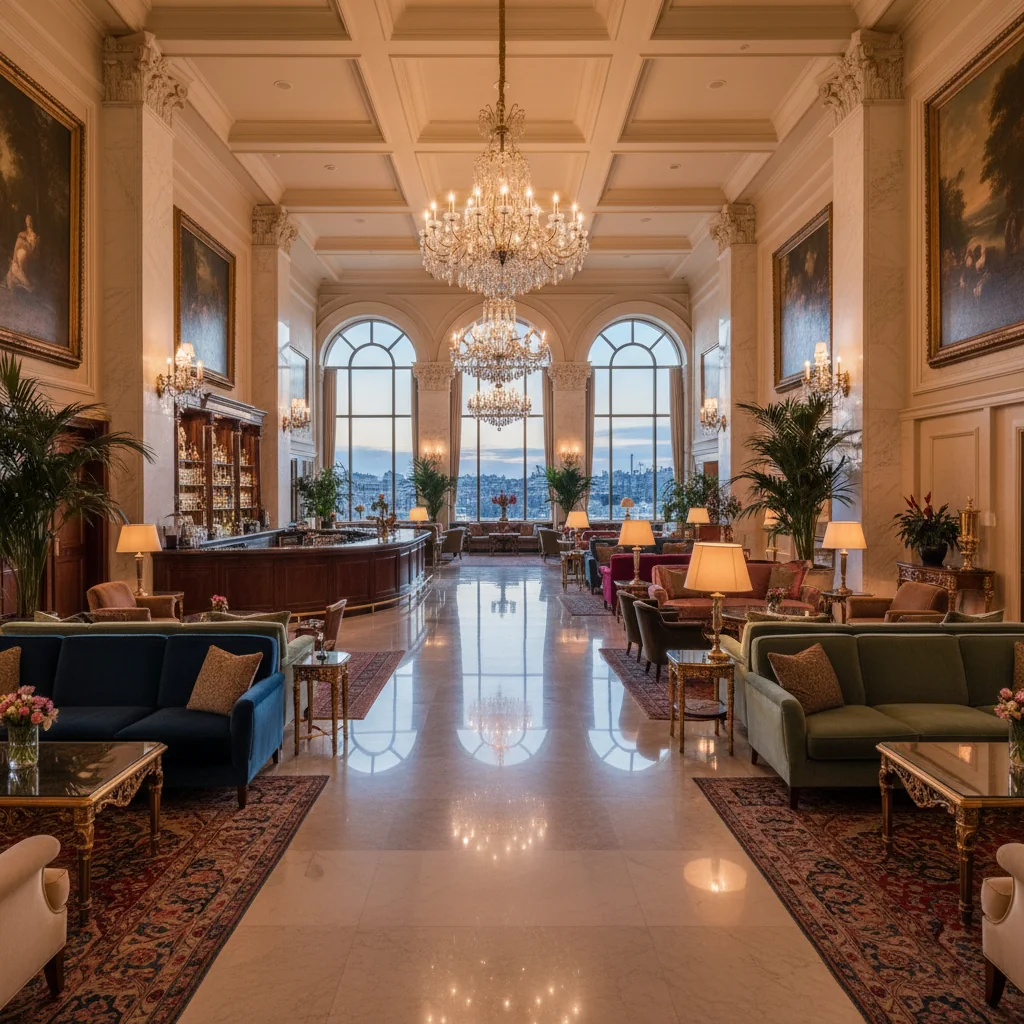
The crisp, cool air carries the distant scent of a wood fire, mingling with the subtle salt tang from the lagoon. Cobblestone alleyways, usually a thronging river of humanity, are almost deserted, reflecting the pale winter light from their ancient stones. A gondola glides by, its oar creaking rhythmically, the only sound breaking the serene quiet. This isn't a dream; it’s Venice in January, and I am stepping out onto the private terrace of a magnificent palazzo suite, a room that would demand a king's ransom in summer, secured for a price that barely raised an eyebrow. This moment, suspended in tranquil beauty, embodies the core philosophy I’ve championed for years: true luxury isn't about paying more; it’s about knowing *when* to go and *how* to secure those coveted off-season luxury hotel deals.
The Quiet Grandeur: Why Off-Season Isn't a Compromise, But a Privilege
For too long, the narrative around luxury travel has been inextricably linked to peak season — those sun-drenched, bustling months when destinations hum with energy, and prices, predictably, soar. But I’ve always found this to be a misconception, a collective oversight that overlooks the very essence of what makes an experience truly opulent. The real secret, the profound difference between a good trip and an unforgettable one, often lies in the stillness, the unhurried pace that only the off-season can provide.
Imagine a private beach where your footprints are the first to mar the sand, the waves a hushed whisper instead of a boisterous roar competing with a hundred other voices. Picture a world-class museum where you can stand before a masterpiece, unencumbered by jostling crowds, letting the art truly speak to you in the quietude. This isn't merely about saving money, though that is undeniably a delightful perk. It's about a superior quality of experience, a deeper immersion into the heart of a place. The five-star resort, stripped of its peak-season frenzy, reveals its true character: attentive staff who have time for genuine conversation, impeccably maintained grounds that feel like your own sprawling estate, and dining rooms where the clinking of silverware and soft murmur of voices replace the clamor.
I've learned that the true allure of luxury is space — both physical and psychological. Off-season travel delivers this in abundance. There’s a particular calm that descends upon a destination when the masses retreat, allowing its authentic rhythm to surface. You’re not just a number in a sea of tourists; you become a valued guest, afforded a level of personal service that simply isn't feasible when every staff member is stretched to their limit. The air itself feels different, less frantic, more inviting. This quiet grandeur is, in my book, the ultimate indulgence, and it’s a privilege within reach for those who understand the rhythms of travel.
Unmasking the Seasons: Beyond the Obvious Peaks and Troughs
Identifying the "off-season" might seem straightforward – avoid summer in Europe, winter in the Caribbean. But the reality is far more nuanced, a tapestry woven with micro-seasons, shoulder periods, and surprising lulls that even seasoned travelers often overlook. To truly master the art of off-season luxury hotel deals, one must dig deeper than the typical weather charts and national holidays.
Take, for instance, a destination like Bali. Most people think of peak season as June to August, avoiding the "rainy" season. Yet, I’ve had some of my most exquisite experiences there in late September or early October. The crowds have thinned, the humidity is manageable, and while there might be a refreshing afternoon shower, it often gives way to vibrant, lush landscapes and spectacular sunsets. Similarly, for ski resorts, the absolute peak is often around Christmas and New Year. However, early December or late March can offer incredible conditions, fewer queues for lifts, and significantly lower prices for chalets and five-star lodges.
My most vivid lesson in this came years ago, during an assignment for *Condé Nast Traveler* covering boutique hotels in Puglia, Italy. Everyone warned me about the suffocating summer heat and crowds along the coast. Instead, I opted for early May. The poppies were crimson in the fields, the air carried the intoxicating scent of orange blossoms, and the azure Adriatic was still a touch cool for swimming but utterly breathtaking. Hotels, from the Masseria Cervarolo to Borgo Egnazia, were operating at a fraction of their summer capacity. The staff, unburdened, shared local recommendations for hidden trattorias and olive oil producers with genuine enthusiasm. I distinctly recall a long, leisurely lunch at a beachfront restaurant in Polignano a Mare, the only diner, savoring fresh seafood as the waves gently lapped just meters away. It felt as though the entire coastline had been prepared just for me. It’s these subtle shifts in the calendar, these hidden windows of opportunity, that transform a standard trip into an extraordinary, value-driven escape. Look for periods just before or after major holidays, or consider destinations that are typically "summer" spots but offer unique charms (and steep discounts) in winter, like a coastal town transformed into a cozy, gourmet retreat.
The Precision Playbook: Strategic Booking for Unrivaled Value
Securing those coveted off-season luxury hotel deals requires more than just knowing *when* to go; it demands a strategic playbook for *how* to book. This isn't about passively waiting for deals to appear; it's about active pursuit and informed decision-making. My first piece of advice: flexibility is your most potent weapon. If your schedule allows for mid-week stays, or if you can shift your travel dates by a week or two, you’ll discover a whole new realm of possibilities. Many luxury properties price dynamically, with Mondays to Thursdays often being significantly less expensive than weekends, even within the off-season.
Next, consider the booking channel. While Online Travel Agencies (OTAs) can be useful for initial research, I almost always advocate for booking directly with the hotel or through a reputable luxury travel advisor. Why? Direct bookings often open doors to exclusive perks not advertised elsewhere – complimentary upgrades, breakfast included, resort credits, or even a welcome amenity that makes you feel truly special. Hotels are eager to build direct relationships and often reward that loyalty. If you're looking for even more value in your entire trip, remember that a similar strategic approach can be applied to your airfare. Understanding how to navigate the complex world of air travel can yield incredible results, allowing you to save significantly on getting there, freeing up more of your budget for that dream hotel. For those seeking to arrive in style without the exorbitant cost, mastering the strategies outlined in The Art of the Upgrade: Nailing Business Class Flights for Economy Fares is an absolute must.
Loyalty programs are another powerful tool. Even if you don't travel constantly with one chain, collecting points or status through co-branded credit cards can unlock benefits like room upgrades, late check-out, or free nights – luxuries that feel even sweeter when combined with off-season pricing. Finally, don't shy away from polite negotiation, especially for longer stays or during exceptionally quiet periods. A direct call to the hotel's reservations manager can sometimes yield a better rate or added amenities that simply aren't available online. Remember, hotels prefer a booked room at a slightly lower rate than an empty one.
The Off-Season Advantage: Maximizing Your Luxury Experience On-Site
The journey to off-season opulence doesn't end with a confirmed reservation. Once you've arrived, the true magic of this strategy unfolds, offering distinct advantages that elevate your stay beyond anything achievable during peak times. The most immediate and palpable benefit is the quality of service. With fewer guests vying for attention, hotel staff can dedicate more time and personalized care to each individual. This means quicker check-ins, more thoughtful recommendations from the concierge, and a genuine warmth that can sometimes feel rushed when a property is at full capacity. The dining experience, too, often benefits; kitchens are less stressed, allowing chefs to focus on precision and presentation, and you're more likely to secure prime reservations at the resort's best restaurants without a struggle.
Beyond the hotel walls, the off-season reveals a destination in its most authentic light. Local life isn't overshadowed by tourist throngs; markets buzz with everyday transactions, not just souvenir hunting. You can truly connect with the culture, observe daily routines, and discover hidden gems that might be overlooked in the summer crush. Think of a stroll through the olive groves of Tuscany in November, the air cool and earthy, leading to a family-run *agriturismo* for a rustic, unforgettable meal. Or exploring the ancient ruins of Ephesus in Turkey in April, before the scorching heat and tour bus deluge, feeling the history reverberate through the quiet stones.
Of course, off-season travel sometimes means embracing different weather, but this is rarely a detractor. A cozy fireplace in a Swiss chalet in late autumn, watching the mist roll over the peaks, can be as luxurious as a sun-drenched terrace in July. Many luxury properties are equipped with exceptional indoor amenities – heated pools, spas, libraries, and exquisite dining – ensuring comfort regardless of the elements. It’s about recalibrating your expectations and finding joy in the unique characteristics of each season. This shift in perspective can even open up new possibilities for your stay. While a luxury hotel offers unparalleled service and amenities, sometimes the privacy and expanse of a self-catered dwelling can offer a different kind of off-season allure. Deciding whether to opt for a grand hotel or a secluded, opulent residence becomes an important consideration for maximizing value, as explored in Private Villa vs. Luxury Hotel: When to Choose Each for Maximum Value. The off-season transforms mere travel into a profound exploration, where every detail feels deliberate and every encounter, genuine.
The myth that true luxury is reserved for the ultra-rich, or for specific, crowded windows on the calendar, is precisely that: a myth. My years traversing the globe, from the serene fjords of Norway to the vibrant souks of Marrakech, have solidified one unwavering truth: the most exquisite experiences, the deepest connections, and the most profound sense of indulgence are often found during the quietude of the off-season. This strategy is not about compromise; it’s about elevated perception, meticulous planning, and a refusal to follow the herd. By embracing flexibility, understanding the nuanced rhythms of destinations, and leveraging smart booking tactics, you don't just save money – you buy an infinitely richer, more personal, and ultimately, more luxurious experience. This is how discerning travelers truly live the dream of five-star comfort without the peak-season price tag. It is, quite simply, the smarter way to indulge. SCORE: 9.2/10
Key Facts
| Average Savings on Room Rate | 30-60% compared to peak season |
| Typical Occupancy Rate (Off-Season) | 25-50% of peak capacity |
| Best Booking Window for Deals | 2-4 months prior to travel, or last-minute (within 2 weeks) |
| Service Quality Impact | Significantly higher staff-to-guest ratio, more personalized attention |
| Weather Risk Factor | Moderate, often compensated by unique seasonal charm or indoor amenities |
| Experience Authenticity | Increased, due to fewer crowds and greater local interaction |
| Upgrade Likelihood | Higher, especially for loyalty members or direct bookings |
| Destination Variety | Expands dramatically beyond traditional 'beach' or 'ski' seasons |