Secrets of Sicily's Baroque Towns: Five-Star Stays Under $200
The golden light of a Sicilian afternoon spills across an ornate stone facade, illuminating cherubs carved in ancient limestone, the air thick with the scent of jasmine and the distant clatter of espresso cups. This isn't a fantasy reserved for grand ducal budgets; this is the everyday enchantment of Sicily's Val di Noto, a UNESCO-listed tapestry of baroque towns where profound beauty meets astonishing value. I’ve spent years chasing this elusive alchemy, convinced that true luxury isn't about the price tag, but the visceral impact of an experience. Here, in this sun-drenched corner of Italy, that conviction finds its most eloquent expression. Prepare to redefine your understanding of a five-star escape.
Noto: The Golden City's Palazzi of Dreams
Noto isn't just a town; it's a symphony in honey-coloured stone, rising from the Sicilian landscape like a vision. Every street, every piazza, every church facade whispers tales of an 18th-century rebirth, a phoenix-like reconstruction after the devastating earthquake of 1693. Walking its main thoroughfare, Corso Vittorio Emanuele, feels like stepping onto a meticulously designed film set – the Palazzo Ducezio with its neoclassical arches, the intricate carvings on the Palazzo Nicolaci di Villadorata, whose famous "baroque balconies" are guarded by grotesque figures. The air itself feels different here, charged with history and a palpable sense of architectural grandeur.I remember my first visit, back in 2014, while researching a feature on under-the-radar Italian destinations for *Travel + Leisure*. I was captivated not just by the sheer artistry of the place, but by the quiet hum of everyday life unfolding amidst such splendor. Children chased pigeons in front of the Duomo, women chatted animatedly over fresh pastries, and the aroma of baking bread mingled with the salty breeze from the Ionian Sea. My mission, then as now, was to find where the locals lived, ate, and slept – because that's where the true value, and the genuine experience, often reside.
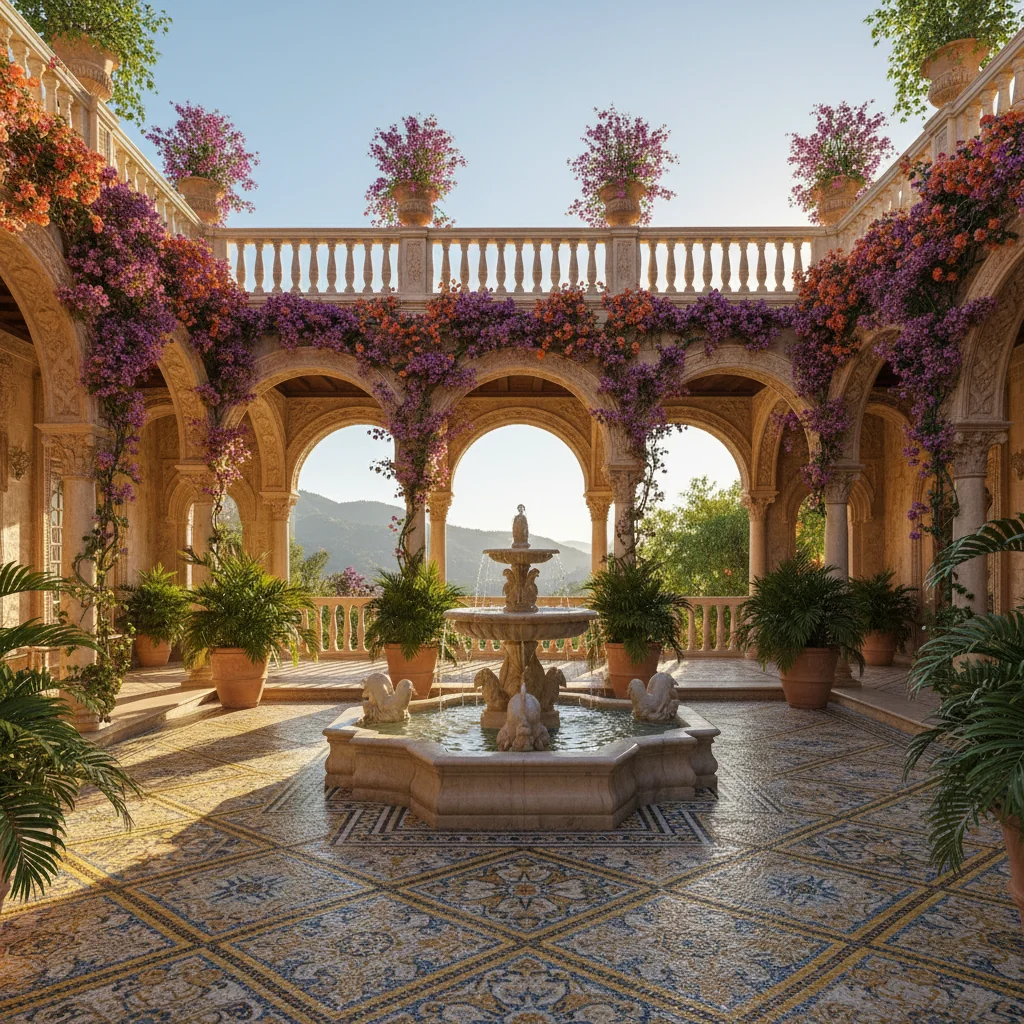
It was during that trip that I stumbled upon a beautifully restored *palazzo* a few streets back from the main Corso. It wasn't a grand hotel, but a modest, family-run guesthouse with perhaps eight rooms. Each room featured soaring ceilings, antique furniture, and a small balcony overlooking a fragrant courtyard. The breakfast, served on delicate ceramic plates, included local ricotta, sun-ripened figs, and freshly squeezed orange juice. The price? A mere €120 a night in early June. This wasn't just a room; it was an immersion. It was the soft murmur of the fountain outside my window at dawn, the cool touch of stone floors beneath bare feet, the quiet dignity of a place cared for through generations. The secret here, in Noto, lies in bypassing the handful of obvious, higher-priced options and instead seeking out these exquisite boutique B&Bs and *affittacamere* tucked within historic buildings. They offer the architectural beauty and the sense of history without the branded overhead. You're not just renting a room; you're borrowing a piece of Noto's soul.
Ragusa Ibla: Perched Perfection and Culinary Delights
Ragusa Ibla is a marvel of urban planning and sheer determination, a town clinging precariously to a hillside, its baroque palaces and churches stacked like intricate blocks reaching for the sky. Approaching it, especially at dusk when the lights begin to twinkle, is an experience that consistently takes my breath away. The drive down the winding roads into the old town, with the larger, modern Ragusa Superiore looming above, feels like descending into a dream. Here, narrow, labyrinthine streets twist and turn, revealing hidden piazzas, unexpected vistas, and archways dripping with bougainvillea. The scent of wild herbs often drifts on the breeze, a counterpoint to the rich, earthy smells emanating from trattorias.What makes Ragusa Ibla truly special for the value-seeking luxury traveler is the combination of its profound aesthetic beauty and its burgeoning, yet still accessible, culinary scene. This region is a hotbed of Sicilian gastronomic innovation, with several Michelin-starred restaurants that, surprisingly, offer tasting menus at a fraction of what you'd pay in Rome or Florence. Imagine a multi-course dinner, featuring local ingredients like Modican chocolate and Caciocavallo cheese, paired with exquisite regional wines, all within a setting of ancient stone and flickering candlelight, for perhaps €70-€100 per person. This is not just a meal; it's an event, an exploration of Sicilian flavour.
For accommodation, Ragusa Ibla offers an abundance of restored *palazzi* and elegant guesthouses that have embraced the concept of offering genuine hospitality rather than generic hotel services. Many of these properties, still family-owned, provide rooms with stunning views over the valley or the intricate rooftops of the old town. Picture waking to the gentle peal of church bells, drawing back thick velvet curtains to reveal a panoramic tableau, then descending for a breakfast spread featuring freshly baked pastries, local jams, and strong coffee, often served in a communal dining room that was once a grand salon. I once stayed in a place, a *dimora* called La Casa del Barone, whose terrace offered an unobstructed view of the Duomo di San Giorgio. My colleague, David, and I, during a scouting trip for an independent digital publication a few years ago, found ourselves sipping Aperol Spritzes there nightly, marvelling that such an experience could be had for under €150. These are the stays that truly resonate, that etch themselves into your memory not just for their beauty, but for the unexpected grace of their price tag. Just as you might find unparalleled value in the private villas of The Alpujarras: Spain's Hidden Mountain Villas Offering Private Pools for Less, Ragusa Ibla provides similar, albeit architecturally distinct, opportunities for opulent, private escapes.
Modica: Chocolate, Caves, and Dramatic Vistas
Modica is a town of two halves, Modica Alta and Modica Bassa, dramatically cleaved by a deep gorge, its houses and churches seemingly poured down the steep hillsides. This creates a mesmerizing, vertical landscape, a complex tapestry of winding staircases, hidden courtyards, and buildings that appear to defy gravity. The sheer spatial impression of Modica is unique; it demands exploration on foot, rewarding every climb with a new, breathtaking perspective. The air here often carries the rich, earthy scent of ancient chocolate, for Modica is world-renowned for its Aztec-inspired, cold-processed chocolate – a dense, granular, intensely aromatic treat that is unlike any other. Tasting it, perhaps with a hint of chili or sea salt, is a sensory revelation.Beyond the chocolate, Modica offers an intriguing glimpse into Sicily's past, with cave dwellings (some still inhabited, others converted into unique accommodations) carved into the rock face, and an abundance of baroque architecture, including the impressive Duomo di San Giorgio, which dominates the skyline. The opportunity to stay in a converted cave dwelling, or a restored historic home with a private terrace overlooking the entire valley, is a quintessential Modican luxury experience, and one that remains remarkably affordable. These aren't rustic experiences; many are designed with a sleek, minimalist aesthetic that complements the ancient stone, offering modern comforts within a historic shell.
My most memorable stay in Modica was in a charming *casa vacanze* perched high above Modica Bassa. It was a multi-level apartment, carved into the rock, with a small, private plunge pool on the terrace – the kind of amenity I usually associate with far higher price points. Every morning, I’d wake to the soft light filtering through ancient windows, the distant sound of church bells echoing across the gorge, and the incredible view of Modica Alta rising majestically opposite. The cost? Around €180 a night in late September, a sweet spot in the Sicilian calendar when the summer crowds have thinned but the weather remains gloriously warm. This kind of experience is precisely what Velvet Trails champions: distinctive, authentic luxury that feels deeply personal and yet doesn't demand a billionaire's wallet. It's about finding those places that offer not just a bed, but an entire atmosphere, a sense of place that resonates long after you've departed.
Scicli & Beyond: Unearthing Hidden Retreats
While Noto, Ragusa Ibla, and Modica form the celebrated trinity of the Val di Noto, the smaller, less-frequented town of Scicli offers its own profound charms and, crucially, even greater value for the discerning luxury seeker. Scicli is a quieter baroque gem, nestled in a valley where three ravines meet, its golden buildings glowing under the Sicilian sun. It possesses a serene beauty, often feeling like a private discovery. The town’s Palazzo Beneventano, with its whimsical, grotesque baroque carvings, is a masterpiece, and the main street, Via Francesco Mormina Penna, is a pedestrianized delight lined with elegant cafes and shops.In Scicli, the quest for five-star comfort under $200 yields some truly remarkable finds. Here, you'll discover meticulously restored former convents or aristocratic homes transformed into intimate guesthouses. These often feature communal lounges filled with antique furnishings, tranquil courtyards for morning coffee, and rooms that blend traditional Sicilian craftsmanship with contemporary design. The sheer absence of large, corporate hotels means that the hospitality is often intensely personal, delivered by owners who are passionate about their town and eager to share its secrets. The breakfasts, almost without exception, are bountiful affairs featuring local specialties, prepared with care.
Beyond Scicli, the broader countryside of the Val di Noto offers a treasure trove of *agriturismi* – working farms that have beautifully renovated their historic buildings into guesthouses. These are not rustic retreats in the traditional sense; many are incredibly sophisticated, boasting infinity pools overlooking olive groves, gourmet restaurants serving farm-to-table cuisine, and spacious, elegantly appointed rooms. Staying at an *agriturismo* offers a different kind of luxury: the luxury of space, silence, and genuine connection to the land. Imagine evenings spent under a canopy of stars, far from city lights, the only sounds the rustle of leaves and the gentle chirping of crickets. Or consider the coastal towns nearby, like Marzamemi, where charming, high-end boutique hotels near the sea can still be found at surprisingly accessible rates, particularly if you travel in the shoulder seasons of May or October. Just as there are opulent beachfront resorts on Vietnam's Phu Quoc Island for considerably less than similar options in Bali, these Sicilian coastal havens offer their own brand of sun-kissed indulgence. The key to unlocking these experiences is often direct booking, early planning, and a willingness to explore just a little beyond the most obvious tourist trails.
Sicily's baroque towns are not merely a collection of beautiful buildings; they are a living, breathing testament to resilience, artistry, and an enduring sense of place. For the discerning traveler, they represent an unparalleled opportunity to experience genuine, unadulterated luxury without the exorbitant price tag that often accompanies such grandeur elsewhere. From the golden glow of Noto's palazzi to the dramatic vistas of Ragusa Ibla, the chocolate-infused charm of Modica, and the tranquil elegance of Scicli, this corner of Italy consistently delivers.
My years exploring the world's most exquisite corners have taught me that true opulence is less about thread count and more about the indelible memory created, the sense of wonder evoked, and the feeling of having discovered something truly special. The Val di Noto, with its array of boutique B&Bs, restored historic homes, and sophisticated *agriturismi*, offers precisely this. It's an immersive dive into culture, history, and gastronomic delight, all wrapped in an aesthetic so profound it borders on the spiritual. This isn't just travel; it's an education in beauty and value. Go, and let Sicily surprise you. SCORE: 9.7/10
Key Facts
| Region Name | Val di Noto, Sicily |
| UNESCO Status | World Heritage Site (since 2002) |
| Average 5-Star Room Rate (Peak Season) | €350-€600+ |
| Achievable Luxury Rate (Off-Peak/Boutique) | €120-€190 |
| Key Baroque Towns | Noto, Ragusa Ibla, Modica, Scicli |
| Best Time for Value & Weather | April-May, September-October |
| Recommended Stay Duration | 5-7 days to explore multiple towns |
| Local Culinary Highlight | Modican Chocolate, Arancini, Ricotta-based pastries |