Kyoto's Ryokans: Opulent Tradition, Smarter Than Tokyo Hotels
The scent of cypress and polished wood, a hushed quiet broken only by the rustle of a kimono or the distant chime of a temple bell. This is not some unattainable dream, nor a scene meticulously staged for the ultra-wealthy. This is the everyday reality of a traditional ryokan stay in Kyoto, a revelation I stumbled upon years ago, utterly upending my perceptions of Japanese luxury. For too long, travelers have defaulted to Tokyo’s glittering, but often exorbitant, hotel towers in pursuit of five-star comfort. But I’m here to tell you that true opulence, steeped in centuries of heritage and delivered with unparalleled grace, awaits in Kyoto’s historic inns—and often, for far less than you’d expect. Forget the generic high-rise; prepare for an immersion into Japan's soul, without depleting your travel fund.
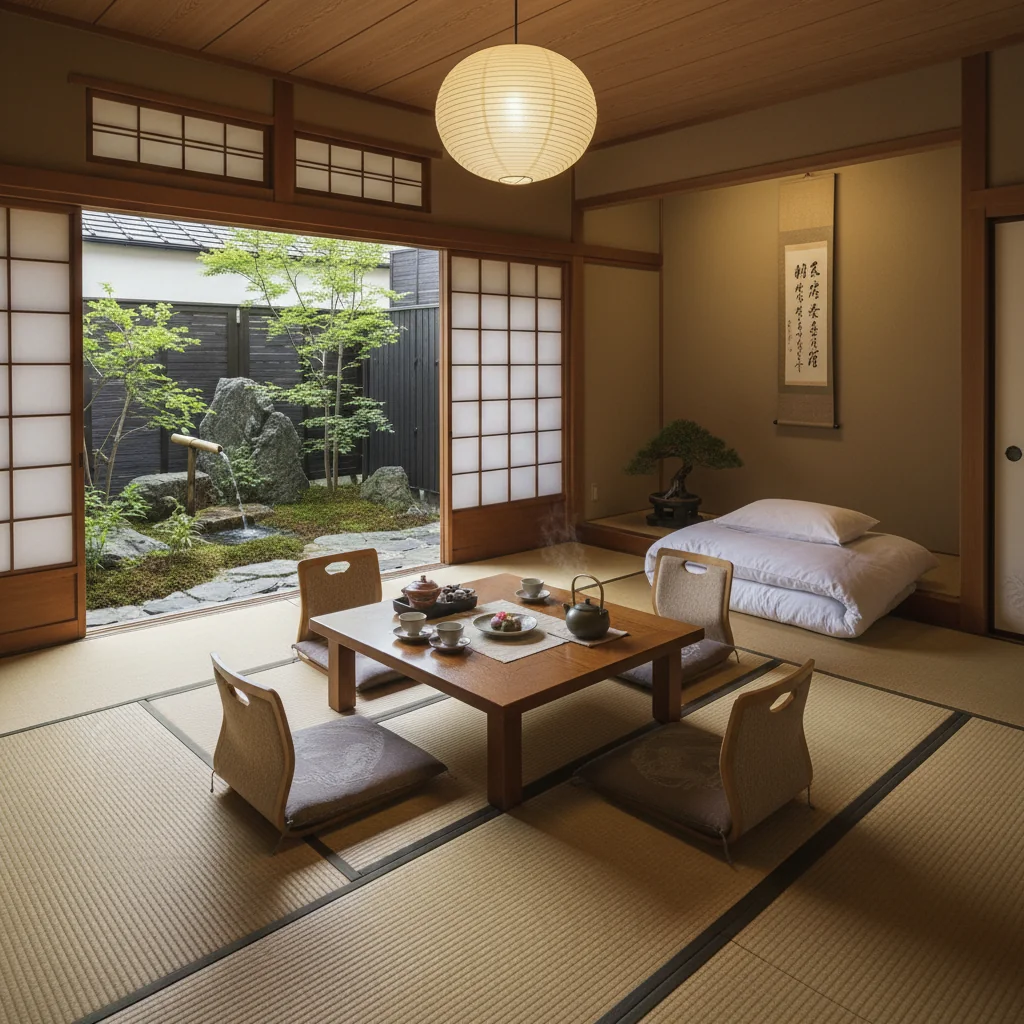
The essence of a ryokan isn't merely a bed for the night; it's a profound journey into Japanese culture, a living embodiment of *omotenashi*, the spirit of wholehearted hospitality. Step through the delicate sliding doors, *shoji* and *fusuma*, and you immediately shed the outside world. The first sensation is often the subtle, earthy aroma of tatami mats underfoot, a scent that whispers of natural fibers and meticulous care. Your shoes are exchanged for slippers, a small ritual marking the transition into a space designed for tranquility and reflection. Unlike the standardized rooms of a Western hotel, a ryokan suite typically unfolds as a series of minimalist, elegant spaces: a main room for relaxation, a separate sleeping area with plump futons laid out nightly, and often a private veranda overlooking a meticulously sculpted garden.
The experience is holistic. Tea is served ceremoniously upon arrival, a quiet welcome. In the evening, clad in a comfortable *yukata* robe, you might stroll to the communal *onsen*—a hot spring bath—where the steaming mineral waters soothe muscles and minds. The ritual of bathing, a moment of purification, is deeply ingrained in Japanese life and a quintessential ryokan pleasure. But perhaps the pinnacle of the ryokan experience is the kaiseki dinner, a multi-course culinary masterpiece served in your room or a private dining area. Each dish is a miniature work of art, reflecting seasonal ingredients and exquisite presentation, a feast for both the eyes and the palate. This isn't just a meal; it's a performance, a dialogue with nature and tradition. The silence, the careful movements of your attendant, the gentle clink of ceramic on lacquer—these are the subtle luxuries that define a ryokan stay, far removed from the bustling anonymity of a large hotel. It's a sanctuary, purpose-built for profound comfort and cultural immersion, creating memories far richer than any thread count could promise.
For years, the conventional wisdom steered luxury seekers towards Tokyo, with its famed international hotel brands promising global standards of comfort. And while Tokyo certainly delivers on polished service and gleaming amenities, it often comes with a price tag that can make even the most seasoned traveler wince. A truly opulent suite in one of Tokyo’s top hotels can easily command upwards of $1,000 to $1,500 a night, often for a room that, while undeniably plush, feels disconnected from the authentic pulse of Japan. This is where Kyoto, and its exquisite ryokans, emerge as the savvy traveler’s secret weapon.
Kyoto offers a distinct advantage: the city itself is a canvas of tradition, making the seamless integration of a ryokan stay feel utterly natural, almost mandatory. Imagine this: during an assignment for Condé Nast Traveler back in 2017, I found myself comparing notes with a colleague. She had just spent a week in a celebrated Tokyo hotel, paying upwards of $900 a night for a city-view room, while I had just checked out of a charming ryokan nestled near Kyoto’s Gion district for a shade under $450, including a phenomenal kaiseki dinner and breakfast. The contrast wasn’t just in the price; it was in the soul. My colleague described efficient service; I described *omotenashi* where my every unspoken need seemed anticipated. She spoke of a beautifully appointed room; I recalled a private garden with a trickling stream outside my window, a personal tea ceremony, and the gentle scent of *hinoki* wood in the private onsen.
The price disparity for a truly luxurious experience is often startling. A top-tier luxury ryokan in Kyoto, offering private onsen, elaborate kaiseki, and impeccable service, can often be secured for $350-$700 per person per night. Compare this to the equivalent standard of luxury in Tokyo—a sprawling suite, perhaps a club lounge access—and you’re looking at significantly higher figures, often starting at $800 and climbing well past $1,200. Kyoto’s luxury ryokan budget allows for an experience that is both deeply authentic and financially astute, delivering serene elegance for a fraction of what you’d spend chasing a similar level of comfort and exclusivity in Tokyo's more frenetic urban environment. It’s not just a place to sleep; it’s an immersive, cultural embrace that Tokyo, for all its modern marvels, struggles to replicate at a comparable value.
The quest for the perfect Kyoto luxury ryokan on a budget requires a discerning eye and a few insider strategies. Not all ryokans are created equal, and understanding the nuances is key to unlocking exceptional value. First, consider the range. You'll find everything from centuries-old, ultra-exclusive establishments with private chefs and sprawling gardens, to charming, family-run inns offering a more intimate, albeit simpler, experience. Our goal, of course, is to pinpoint those sweet spots that deliver genuine luxury without the billionaire price tag.
Booking strategically is paramount. Much like seeking out the best deals for boutique stays elsewhere, like discovering how Colombia's Cartagena: Colonial Charm & Boutique Stays at Half the Caribbean Cost offers unexpected opulence, timing and direct communication are your friends. Aim for shoulder seasons (late spring, early autumn) when the weather is glorious, but the crowds and peak prices of cherry blossom or fall foliage season have yet to fully peak. Direct bookings with the ryokan often yield better rates or added perks than aggregator sites. Don't hesitate to email them directly, inquiring about special packages that might include an extra meal or a private onsen session. Many ryokans offer packages that bundle accommodation with both dinner (kaiseki) and breakfast, which can initially seem pricey, but when you factor in the quality and quantity of the culinary experience, it often represents significant value compared to dining out at comparable restaurants.
Location also plays a role. While the Gion district or Higashiyama offer undeniable charm and proximity to major sights, they often come with a premium. Venturing slightly outside these prime areas, perhaps into Shimogyo-ku or even the quieter, northern reaches of the city, can reveal hidden gems that offer exquisite service and beautiful surroundings for a more accessible price. Look for ryokans that might be a short subway or bus ride from the main attractions, sacrificing a tiny bit of immediate walkability for a substantial saving without compromising on the depth of the experience. Read reviews meticulously, focusing on mentions of service quality, food, and the overall atmosphere rather than just the thread count of the futon. A ryokan's true luxury lies in its authentic hospitality and the immersive sense of place it provides.
The true genius of the ryokan experience, especially for the value-conscious luxury seeker, lies in the unexpected luxuries that are often inherent to the stay, not add-ons. These are the elements that transform a simple overnight into an indelible memory, delivering a sense of privilege usually reserved for those with limitless budgets. Take the private onsen, for instance. While grand ryokans might feature expansive communal baths, many smaller, high-quality establishments offer rooms with their own open-air baths, where you can soak under the stars, surrounded by nature, in complete solitude. The warmth of the mineral water on your skin, the cool air on your face, the hushed sounds of the garden—it's a profoundly personal indulgence, a silent symphony of relaxation that comes as part of your room rate.
Then there’s the kaiseki dining. This isn't just dinner; it’s a meticulously choreographed gastronomic performance. Plates arrive with painstaking precision, each dish a miniature landscape of seasonal ingredients, carefully sourced and masterfully prepared. The freshest sashimi, delicate tempura, savory simmered dishes, and often a perfectly grilled local specialty—each course builds on the last, culminating in a sensation of profound satisfaction. This bespoke culinary journey, enjoyed in the privacy of your room or a tranquil dining area, would easily cost hundreds of dollars if ordered à la carte at a high-end restaurant. Yet, it's typically included in your ryokan stay, making it an extraordinary value proposition.
The attentive, yet unobtrusive, service also counts as an unexpected luxury. Your attendant anticipates your needs before you voice them, from arranging slippers to preparing your futon while you dine. There’s a quiet dignity to their movements, a genuine desire to ensure your comfort. This dedication to personalized service, much like the bespoke attention found in Sri Lanka's Tea Country: Five-Star Bungalows & Private Butlers for Under $300, truly distinguishes a ryokan stay. You’re not just a guest; you're momentarily part of their esteemed household. The simple act of donning a crisp cotton yukata, sipping green tea by a window overlooking a moss garden, or waking to the quiet rustle of leaves outside your room—these are the subtle, deeply enriching moments that define luxury in Kyoto. They are experiences that soothe the soul and nourish the spirit, elevating a trip to Japan into something truly transformative, without demanding a king's ransom.
For too long, the idea of "luxury Japan" has been inextricably linked with the glittering, high-tech modernity of Tokyo and the hefty price tags that accompany its international five-star hotels. But as I've discovered through years of dedicated exploration, the true heart of Japanese opulence, wrapped in tradition, serenity, and unparalleled hospitality, beats strongest in Kyoto's traditional ryokans. These exquisite inns offer not just accommodation, but a profound cultural immersion that delivers bespoke comfort and beauty far exceeding what a similar budget would afford you in the capital.
From the sensory delight of tatami and cypress wood, to the artistic culinary journey of kaiseki, and the soothing ritual of the onsen, a ryokan stay provides a holistic sense of well-being and privileged intimacy. It is a place where every detail is considered, every moment curated for tranquility, and every interaction imbued with genuine warmth. For the discerning traveler who values authenticity, quiet elegance, and an experience that lingers long after departure, bypassing the ryokan for a generic hotel would be a significant oversight. This is where true luxury intersects with smart spending, proving once again that the finest experiences don't always demand the highest price. Kyoto’s ryokans aren't just an alternative; they are the superior choice for a truly luxurious Japanese escape that respects your budget without compromising on splendor. SCORE: 9.2/10
Key Facts
| Average Luxury Ryokan Price (Kyoto) | $350 - $700 per person/night (incl. 2 meals) |
| Comparable Luxury Hotel Price (Tokyo) | $800 - $1500+ per room/night |
| Typical Inclusions | Kaiseki Dinner, Traditional Breakfast, Onsen Access, Yukata Robes, Green Tea Service |
| Recommended Booking Window | 3-6 months in advance (especially for shoulder seasons) |
| Best Value Seasons | Late Spring (May-early June), Early Autumn (September-early October) |
| Key Features | Tatami flooring, futon beds, private or communal onsen, garden views, personalized service |