Savoring Stars: Michelin Dining Without the Billionaire Bill
The clink of crystal, the whisper of bespoke service, a plate arriving like a miniature edible masterpiece – this is the sensory tapestry of a Michelin-starred meal. For too long, this realm of culinary artistry has been shrouded in a myth of exclusivity, whispered to be accessible only to the world’s wealthiest. I remember countless conversations with fellow travelers, their eyes wide with longing, yet their wallets seemingly closed to such indulgence. But what if I told you that the exquisite pleasure of a perfectly crafted tasting menu, the profound delight of innovative flavors, isn't always reserved for those with private jet budgets? My mission, etched deeply into the very foundation of Velvet Trails, is to dismantle this misconception. Let’s unearth the hidden pathways to this gastronomic paradise, where discerning taste and a sensible budget coexist beautifully.
The Art of the Astute Reservation: Lunch, Bistros, and Untapped Tiers
The grandest illusion around Michelin dining is that it must always involve an exorbitant, multi-course dinner at a three-star establishment. This simply isn't true. My decade-plus exploring the world's most exquisite tables taught me that the shrewd traveler often finds true value by shifting perspective. Consider the lunch menu: often a significantly truncated, yet equally impressive, version of the evening’s offering, presented at a fraction of the cost. The same precision, the same premium ingredients, the same meticulous service, all condensed into a midday symphony of flavors. I recall a particularly memorable afternoon in Lyon, France, during my Condé Nast Traveler days. We were researching a piece on regional French cuisine, and I found myself at a Michelin-starred bistro – a "Bib Gourmand" establishment, not even a full star, but lauded for its exceptional value – where a colleague and I enjoyed a three-course meal with wine for under €50 each. The rich aroma of slow-cooked beef bourguignon filled the air, the crisp texture of the local baguette was simply perfect, and the service, while less formal than its starred brethren, was warm and attentive, embodying the very soul of French hospitality. It was a revelation: genuine luxury, genuinely affordable.Beyond the midday meal, astute diners seek out establishments that might fly under the radar of the most ostentatious gourmands. Many Michelin-starred chefs, after achieving acclaim, open more casual, often single-star or Bib Gourmand sister restaurants. These are goldmines. They carry the chef's culinary philosophy and commitment to quality, often featuring slightly simpler preparations, yet still delivering a profound gastronomic experience. Think of the modern bistros in Paris, the *trattorias* in Italy, or the *tascas* in Lisbon that have earned a coveted star – places where the linen might be less starched, but the food speaks volumes, often with a louder, more authentic voice. These establishments offer an accessible entry point to a world of elevated dining, proving that a truly memorable meal doesn't always demand a king's ransom. It simply requires a little insider knowledge, a willingness to explore beyond the obvious, and a smart reservation strategy.
Geographic Sweet Spots: Where Stars Align with Sensible Spending
Not all Michelin maps are drawn with the same price tag. While Paris, Tokyo, and New York host an undeniable constellation of culinary stars, their gravitational pull on your wallet can be immense. My years on the road, from the spice-laden markets of Marrakech to the quiet fishing villages of Montenegro, have shown me that the true luxury value often lies in unexpected corners. Emerging culinary destinations, or regions where the cost of living (and thus, operational costs for restaurants) is lower, often yield spectacular Michelin experiences for a fraction of what you’d pay in a global capital.Take Portugal, my adopted home. Lisbon and Porto, in particular, boast an impressive and growing number of Michelin-starred restaurants, many of which offer tasting menus that would cost double or triple in London or Zurich. The fresh seafood, the vibrant local produce, and a burgeoning wine scene mean chefs here have access to incredible ingredients without the prohibitive import costs. I’ve spent evenings in Porto, the Douro River reflecting the city lights, savoring a seven-course tasting menu, each dish a delicate balance of tradition and innovation, paired with local wines, and still walked away feeling I’d discovered a genuine steal. The soft murmur of conversation, the subtle fragrance of citrus and herbs drifting from the open kitchen, the warmth of the ceramic plates – it’s an immersive experience that feels utterly extravagant without the corresponding price tag.
Spain, with its diverse regional cuisines and strong emphasis on quality ingredients, offers similar opportunities, especially outside of Barcelona and Madrid. Cities like Valencia, San Sebastián (though prices are rising there), or even smaller towns in Andalusia can surprise you with phenomenal Michelin-level dining. The same holds true for certain regions of Italy, particularly in the lesser-traveled south or the Emilia-Romagna region, where traditional flavors are elevated with modern techniques. These are the places where the value equation truly balances, allowing you to indulge in multiple starred meals within a budget that might only afford one in a more established, high-cost destination. When planning a trip to these culinary havens, consider how you might arrive in style without breaking the bank; exploring options like The Savvy Traveler's Guide to Private Jet Charters: Shared Flights & Empty Leg Deals can make the entire journey feel more exclusive, setting the tone for the fine dining ahead.
Beyond the Glare: Unlisted Gems and The Power of the Bib Gourmand
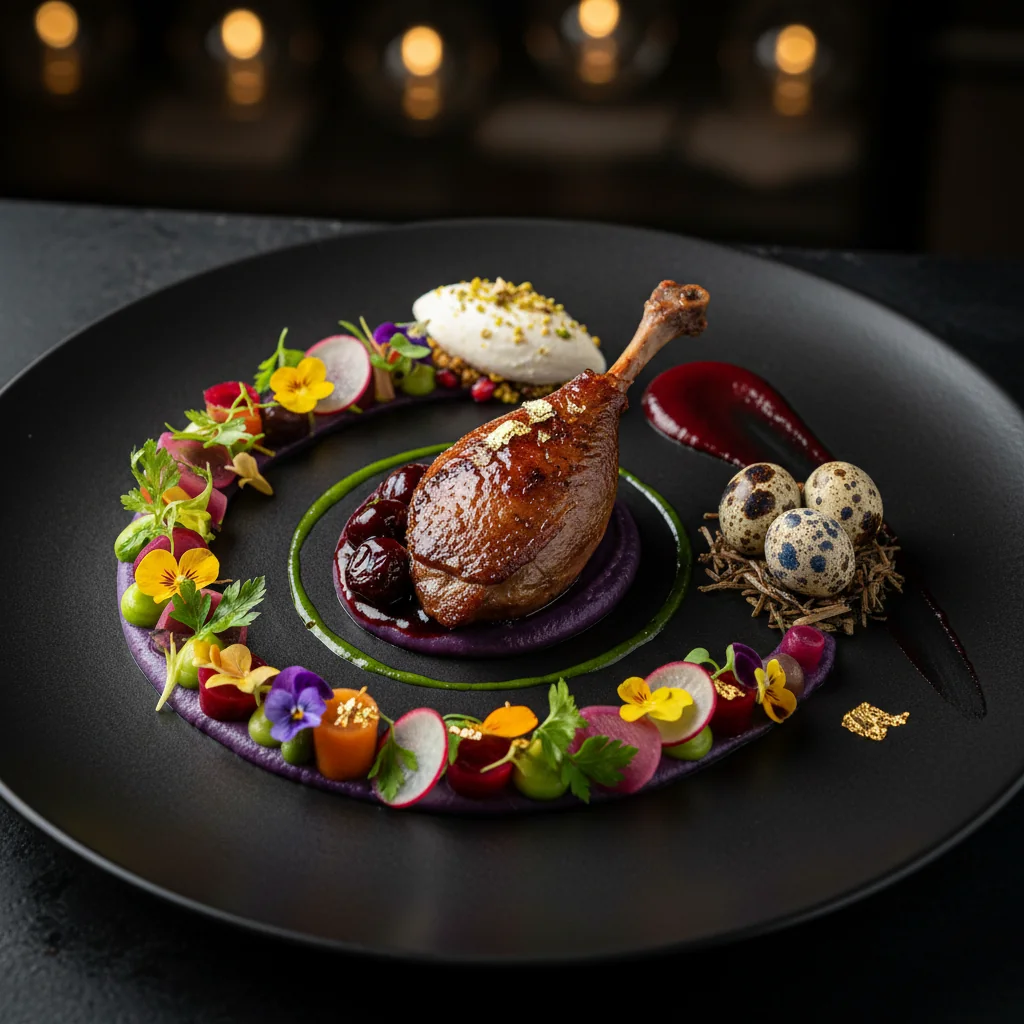
The Michelin Guide is more than just its coveted stars; it’s a tiered system that discerning travelers learn to navigate for true value. Many overlook the profound excellence found in "Recommended" restaurants or, even better, the hallowed "Bib Gourmand" category. These establishments don't carry stars, but they are recognized by Michelin inspectors for offering "exceptionally good food at moderate prices." This is where the magic of value-driven opulence truly shines. I’ve often found that a Bib Gourmand restaurant can deliver an experience that rivals a one-star, sometimes even surpassing it in terms of heart, authenticity, and sheer deliciousness, all while keeping your budget firmly in the "mid-range."The service in these places, while perhaps less formal, is often intensely passionate and personalized. The chefs, typically owner-operators, pour their souls into every dish, driven by a love of food rather than the pursuit of global accolades. The aromas of fresh baking, the rich scent of simmering stocks, the vibrant colors of seasonal produce artfully arranged – these elements define the Bib Gourmand experience. Imagine sitting at a small, unassuming table in a bustling Parisian neighborhood, the hum of contented diners around you, a plate of perfectly roasted duck with a cherry reduction before you, each bite a revelation. This isn't just a meal; it's an immersion into local culture, elevated by culinary expertise that the Michelin inspectors themselves deem worthy of special mention.
Finding these unlisted gems requires a different kind of detective work. It's about reading local food blogs, cross-referencing Michelin's online guide for Bib Gourmand selections in your target city, and perhaps even asking savvy hotel concierges (who often know the true local favorites, not just the tourist traps). Booking usually isn't as competitive as for multi-starred venues, but it’s still wise to reserve, especially for popular spots. Remember, the true luxury lies not in the number of stars, but in the quality of the ingredients, the skill of the chef, and the indelible memory created. It's about recognizing that exceptional food and service can thrive outside the spotlight of three-star prestige, offering an intimacy and value that is increasingly rare in the upper echelons of fine dining.
Navigating the Menu: Strategic Choices for Maximum Indulgence
Once you've identified your target, a bit of strategic menu navigation can ensure your Michelin star dining budget stretches further without compromising the core experience. The tasting menu, while often the most immersive way to experience a chef's vision, isn't always the most budget-friendly. Here's where a discerning eye comes in. Many establishments offer a *prix fixe* menu during dinner, which is often a more limited, but still exquisite, selection of courses at a fixed price, typically less than the full tasting menu. Sometimes, opting for just two or three à la carte courses – perhaps a standout appetizer and a signature main – can provide a concentrated burst of culinary brilliance.Wine pairings are another area for smart choices. While the sommelier’s curated selection can beautifully enhance the meal, it can also significantly inflate the bill. Consider ordering wine by the glass, or even selecting a single bottle to share, focusing on a local vintage that offers excellent value. Don't be afraid to ask for recommendations from the sommelier for a glass that complements your chosen dishes without breaking the bank. Their expertise extends beyond just the most expensive labels. The soft shimmer of light through a ruby-red glass of local wine, the delicate swirl before the first sip, the subtle notes complementing the chef's creation – these are moments of pure, unadulterated luxury, thoughtfully acquired.
And then there's the mindset. Approach your chosen Michelin experience not just as a meal, but as an event, an investment in memory. Take your time. Savor each bite, each aroma, each texture. Observe the ballet of the service staff, the intricate details of the plating, the subtle shifts in the dining room's ambiance as the evening progresses. This is not about rushing through courses; it's about dwelling in the moment. Dress impeccably, even if the restaurant is a casual Bib Gourmand; showing respect for the establishment and the craft enhances your own experience. Consider arriving early, perhaps for an aperitif, to soak in the atmosphere fully. For an even more refined arrival, especially if you're exploring multiple culinary spots across a region, remember that services like Beyond the Tour Bus: Arranging Private Drivers & Guides for Experiential Luxury can elevate the entire evening, ensuring a smooth, elegant transition from your hotel to the restaurant door. These seemingly small considerations contribute to an overall sense of indulgence that transcends mere cost, transforming a meal into a truly luxurious affair.
The Verdict: Michelin Stars Are Within Reach
The pursuit of Michelin-starred dining on a mid-range budget isn't a pipe dream; it's a tangible reality for the informed and adventurous traveler. My years traversing the globe, seeking out these very experiences for Condé Nast Traveler and now for Velvet Trails, have repeatedly affirmed that true luxury isn't about the price tag, but about the unparalleled quality, the impeccable service, and the indelible memories created. By strategically choosing lunch menus, embracing Bib Gourmand establishments, exploring emerging culinary destinations, and making shrewd decisions when ordering, you can unlock a world of gastronomic brilliance that once seemed reserved for the ultra-rich. The whispered elegance, the exquisite flavors, the flawless execution – these are sensations that can, and should, be enjoyed by more than a select few. It requires a curious spirit and a little planning, but the reward is a culinary journey that tantalizes the senses and profoundly enriches your travels. The world’s finest tables are waiting, ready to share their magic without demanding a king's ransom. Go forth, explore, and savor every exquisite moment.SCORE: 9.2/10
Key Facts
| Average 1-Star Lunch Menu Price | €45-€80 (outside major capitals) |
| Michelin Guide Countries | Over 40 countries covered |
| Dinner vs. Lunch Savings (Typical) | 30%-60% reduction for lunch menus |
| Bib Gourmand Restaurants (Global) | Approximately 3,700 establishments |
| Ratio of 1-Star to 3-Star Restaurants | Roughly 10:1 globally |
| Top Value Michelin Cities (Examples) | Lisbon, Porto, Bologna, Lyon, Valencia |
| Average Course Count (Lunch Menu) | 2-4 courses |
| Pre-Booking Recommendation | 2-4 weeks in advance for popular venues |